
Teaching music to kids as a parent or educator can be quite challenging. Each child has a unique learning style, and grasping music reading and playing can pose difficulties. Music, similar to a language, comprises numerous intricate components to manage, alongside the challenge of handling short attention spans.
Whether you’re guiding your child in music reading at home, participating in group classes, or opting for online private lessons, educators often encounter obstacles when a particular method falls short. Thankfully, there are various strategies available to enhance the music learning journey for children, subsequently making the teaching process more enjoyable for us.
Create Your Musical Instruments
While creating a tuba or a piano may be unrealistic, crafting basic musical instruments using common household items is entirely achievable. For instance, a guitar can be made by placing a few rubber bands over an empty tissue box opening.
A drum can be fashioned using the bottom of a saucepan and a wooden spoon. When struck with a rubber mallet, Mason jars filled with different amounts of water produce distinct sounds. To add more fun, fill empty bottles or Easter eggs with rice or dry beans to create shakers or maracas.
Enroll in Music Lessons
Classes focused on music for children provide a well-organized setting for your child to explore the realm of music. Guided by experts, these sessions can significantly and pleasantly influence your child’s musical exploration.
These programs frequently introduce kids to different songs, dances, and musical instruments. This variety guarantees that your child experiences a mix of musical styles. Additionally, interacting with peers can boost their social abilities, creating a doubly advantageous experience. South Shore Piano School provides a warm and welcoming environment for young learners to develop their musical skills.
Play Along to the Music
Children enjoy creating sounds and playing musical instruments. A song provides a fun way to explore the dynamics and the varying music volume. Encourage your child to experiment with different sound levels using various instruments or body percussion.
For instance, challenge them to clap loudly or tap a pan softly. This activity also helps in feeling the rhythm of a song, which is like the music’s heartbeat or steady beat. The rhythm is what people tap their feet to or dance along with when they listen to music.
Introduce a sleeping puppet and have your child wake it up by playing loudly, then quiet down to put it to sleep. With a pop-up puppet, guide your child to adjust the volume gradually as the puppet moves up and down.
Praise Achievements
Confidence plays a crucial role in advancing as a musician. It empowers us to explore new avenues and enhance our musical skills and techniques. Be sure to highlight the positive aspects of your child’s studies and commend them.
Direct attention towards achievements rather than shortcomings. The apprehension of making mistakes in music can hinder progress. While there are correct solutions to note-reading tasks and improved ways to perform a piece, fixating solely on errors hinders rather than helps.
Encourage Your Child’s Musical Interests
Each child possesses individuality, just as their musical path does. Some may embrace melodies readily, while others may require more engagement time. Paying attention to and comprehending your child’s inherent leanings towards music is crucial.
Make a mental note should your young one tap their feet to a specific tune or sing along with particular melodies. If they appear fidgety or uninterested during the playback of a certain music style, consider it a signal.
Endnote
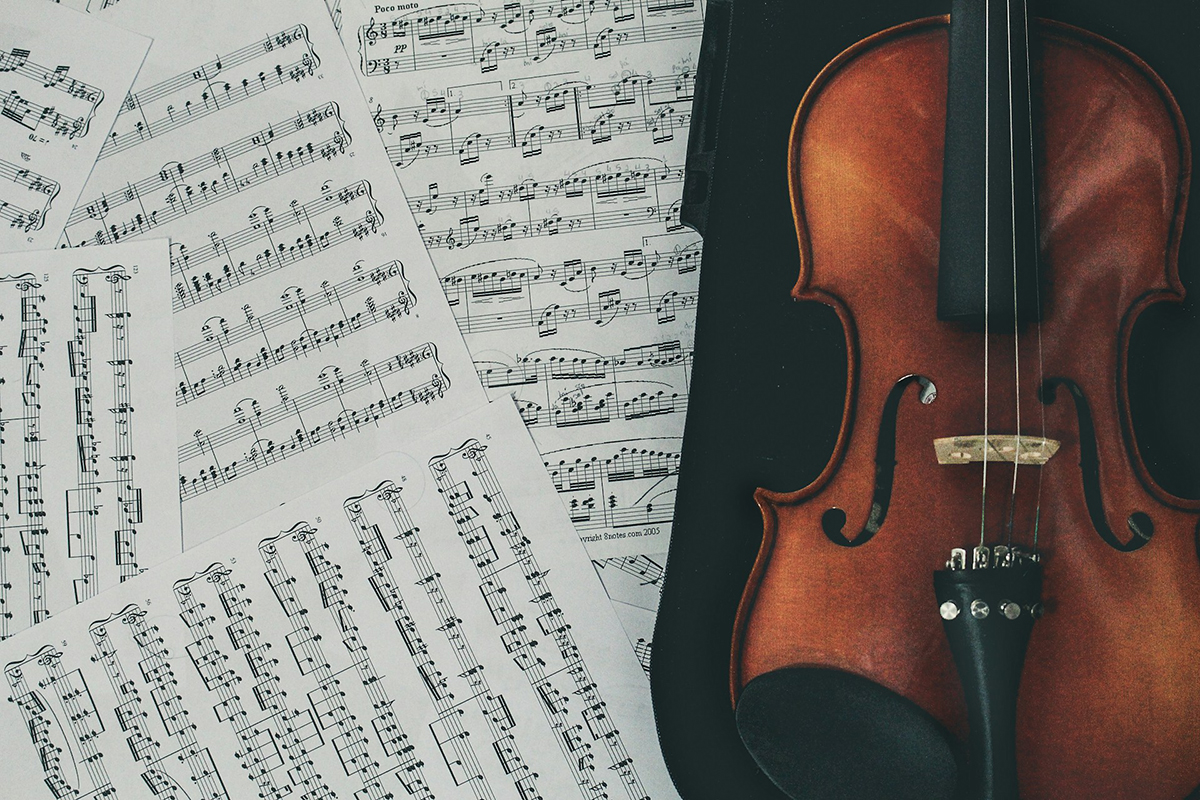
Learning music parallels learning a language. The symbols on a music sheet communicate information about pitch, tempo, and playing techniques required for the song. While not everyone may be drawn to music education, integrating a brief music-related activity daily can spark your children’s curiosity and lead them to appreciate a future enriched with music.