
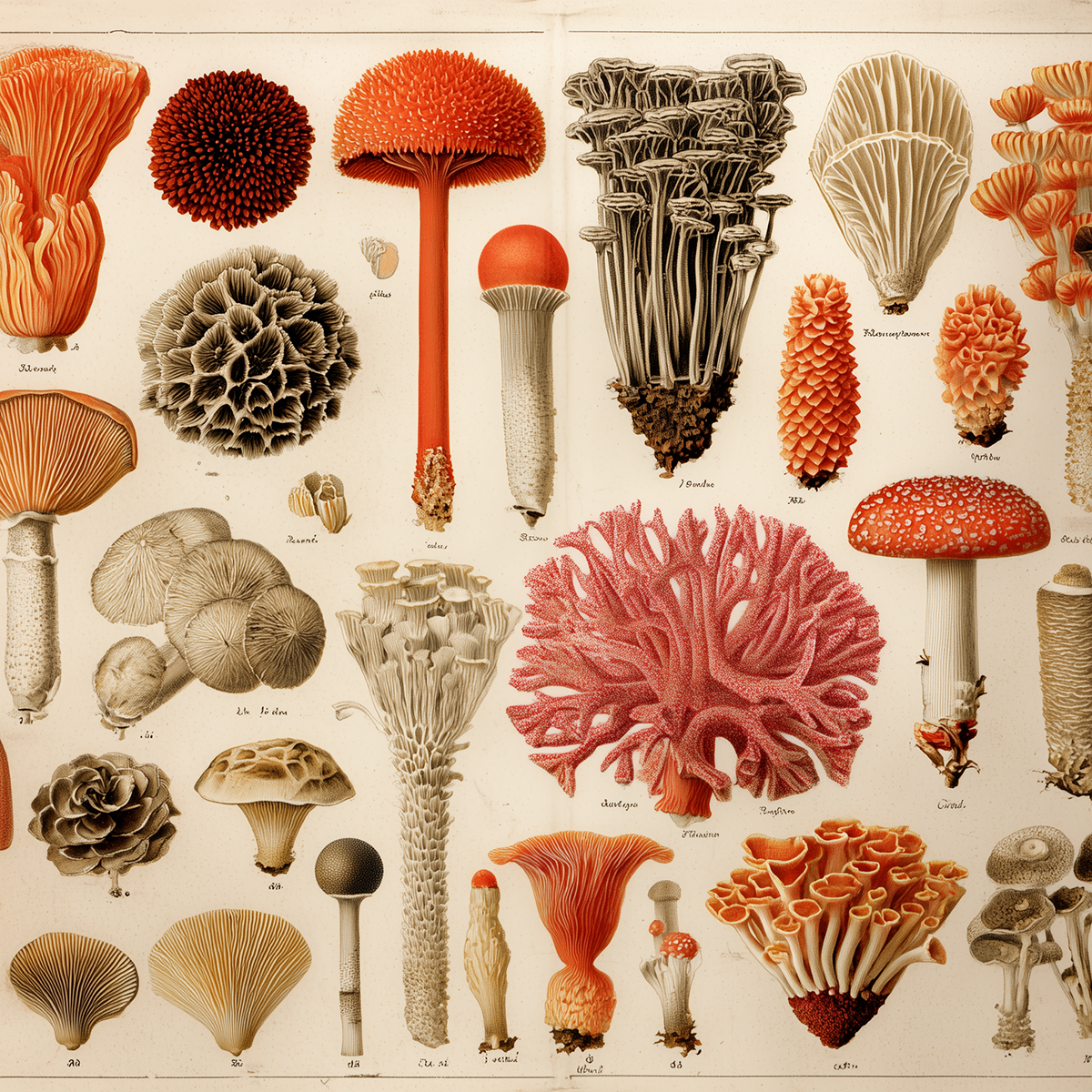
Mushroom spores are tiny, microscopic particles that act like the “seeds” of fungi, helping mushrooms reproduce and spread. Invisible to the naked eye, these spores are found in countless varieties across the world, with some mushrooms releasing millions of spores in a single day.
In recent years, mushroom spores have sparked growing curiosity. They are gaining attention not only in scientific studies but also in wellness and lifestyle spaces. From students working on biology projects to hobbyists exploring the wonders of nature, spores are becoming a fascinating subject for anyone interested in how life works on a microscopic level.
For students, especially, studying spores sparks curiosity and a sense of discovery. From observing spore prints to exploring microscopic structures, these tiny wonders turn science lessons into hands-on adventures that build critical thinking and a love for learning.
This article takes you into the unique world of mushroom spores in a simple and educational way, highlighting what makes them so remarkable and why they continue to capture attention around the globe.
What Are Mushroom Spores?
Mushroom spores are the tiny reproductive cells that allow fungi to grow and multiply. Think of them as nature’s version of seeds. Just like a plant starts from a seed, a mushroom begins its life from a spore.
These spores are so small that you cannot see them without a microscope. Despite their size, they play a huge role in the ecosystem. When released into the environment, spores travel through the air, water, or soil until they find the right conditions to grow. This natural process helps recycle nutrients, enrich soil, and support the balance of forests and other ecosystems.
Scientists estimate that a single mushroom can release billions of spores during its lifetime, showing just how vital they are in keeping nature’s cycle going.
Why Mushroom Spores Are Unique
Mushroom spores are more than just tiny particles floating in the air. They have fascinating qualities that make them an important part of nature and a subject of interest for researchers and hobbyists alike. Here are a few reasons they stand out:
- Incredible adaptability
Mushroom spores can survive in a wide range of environments. From damp forest floors to dry and windy areas, they adjust to different conditions, making them one of nature’s most resilient life forms. - Natural travelers
These spores can move through air, soil, and even water. This ability allows them to spread far and wide, sometimes traveling for miles before finding the right conditions to grow. - Genetic diversity
Each spore carries unique genetic information. This diversity allows mushrooms to evolve and adapt over time, which is why they are so valuable for scientific studies. - Key to research and discovery
Because of their unique structure and genetic makeup, mushroom spores are frequently studied in biology and genetics. Some enthusiasts and researchers explore varieties such as the Blue Meanie mushroom spore to better understand their distinct characteristics, always within safe and legal research settings.
The Growing Interest in Mushroom Spores
More students, hobbyists, and science enthusiasts are exploring the fascinating world of mushroom spores. Their curiosity is driven not only by the unique structures and characteristics these spores hold but also by the opportunity for hands-on learning. Educators are increasingly using spore studies in classrooms to teach concepts like ecosystems, genetic diversity, and adaptation, helping students connect scientific theory with real-world observations.
Because they are legal in many regions for microscopy and academic studies, mushroom spores have become a safe way to learn about fungal biology without any risks. Some varieties, like the Blue Meanie mushroom spore, are particularly popular in research settings because of their distinct structural patterns that make them valuable for microscopic study.
To explore more about the fascinating world of spores, you can check out reliable online resources on mushroom spore research for deeper insights. This growing interest is helping people better understand fungal life cycles and genetics, all while staying within safe and legal boundaries.
Fun Facts About Mushroom Spores
A Splash of Colors
Mushroom spores come in a variety of colors, such as brown, black, white, and purple. These color differences help scientists and hobbyists identify and study different mushroom species more easily.
Built for Survival
Spores are extremely tough. They can survive in harsh environments, including extreme heat, cold, or dry conditions, until they find a suitable place to grow. This resilience makes them a fascinating topic for biological and environmental research.
Millions in the Air
A single mushroom can release millions of spores at once. This natural process is a key reason mushrooms are found in so many parts of the world.
Microscopic Marvels
Though invisible to the naked eye, spores have intricate structures that can only be seen under a microscope. Studying these patterns helps researchers understand how different mushrooms reproduce and adapt.
Important for Ecosystems
Spores play a vital role in ecosystems by helping fungi decompose organic matter. This process returns nutrients to the soil and supports the growth of plants while maintaining environmental balance.
Safe and Legal Ways to Learn More
Exploring mushroom spores can be an exciting and educational journey for students, hobbyists, and researchers. The key is to keep your focus on safe and legal methods that encourage learning without any risks.
For Students and Educators: Incorporating spore studies into lessons or after-school science clubs can nurture curiosity and teamwork. Simple activities like creating spore prints or using microscopes for observation are safe, cost-effective ways to introduce students to biology and environmental science. Explore here a legal and safe way to study Mushroom Spores:
- Use a Microscope for Exploration
Studying mushroom spores under a microscope is one of the safest and most fascinating ways to understand their structure and behaviour. - Focus on Research and Education
Read scientific articles, join online forums, or attend mycology workshops to deepen your understanding and connect with other enthusiasts. - Follow Local Laws and Guidelines
Spores are legal for research and educational purposes in many places. Always check and follow the rules in your region. - Document Your Findings
Keep a research journal with notes and images to track your learning and share your discoveries with the community. - Stay Away from Cultivation or Consumption
Keep your exploration strictly academic. Avoid any activities related to growing or consuming mushrooms to ensure safety and compliance.
Conclusion
Mushroom spores are nature’s microscopic marvels. Each spore carries the genetic blueprint for an entire mushroom and can travel long distances through air and water. A single mushroom can release millions of spores, making them an essential part of ecosystems by helping fungi break down organic matter and recycle nutrients back into the soil.
Studying these tiny structures reveals the incredible complexity of the fungal world. Their unique colors, intricate shapes, and ability to survive in extreme conditions make them a fascinating subject for research. Exploring spores with curiosity and respect builds knowledge and deepens our appreciation for the natural systems that keep our world in balance.