When it comes to enhancing the energy efficiency of your home, one of the most impactful upgrades you can make is investing in high-quality window installations.
Windows serve as both a barrier and a gateway, controlling the flow of air, light, and temperature between the outside and your living space. Poorly insulated or old windows can lead to significant energy loss, increasing heating and cooling costs and compromising comfort.
This blog delves into the benefits of choosing top-tier window options, exploring how they can transform your home into an energy-efficient haven while simultaneously boosting your property’s value and aesthetic appeal. Discover why upgrading your windows is not just a home improvement project, but a smart investment in sustainability and efficiency.
The Installation Process: Experts You Can Trust
The installation process of new windows is crucial to ensure optimal energy efficiency and performance. Engaging with experienced professionals can make a significant difference in the outcome.
Expert installers are well-versed in the intricacies of various window types and the specific requirements of your home. They begin by assessing your current windows and discussing your needs, ensuring that the new installations fit perfectly and meet your aesthetic preferences. Whether you need a trusted window replacement in Fresno CA or an upgrade in any other location, it is essential to choose a team of professionals with experience and expertise in the field.
This way, you can rest assured that your investment will deliver the desired results while ensuring a smooth installation process. Just like high-quality windows, professional installers are worth the investment.
Understanding Energy Loss Through Windows
Windows plays a pivotal role in the overall energy efficiency of a home, yet it can also be a primary source of energy loss if not properly selected or maintained. Through a process known as thermal transmittance, heat can escape a house during colder months, while warm air can enter during the summer, making it harder to maintain a comfortable indoor climate.
This energy loss can stem from poor insulation, single-pane glass, or outdated framing materials that do not provide an effective seal. Additionally, inefficiencies can arise from air leaks around window frames, where drafts can slip in unnoticed, leading to increased energy costs. Understanding these factors is crucial for homeowners looking to enhance their comfort and reduce energy bills. By addressing these issues through quality replacements or upgrades, not only can one combat energy loss but also create a more sustainable living environment.
Types of Energy-Efficient Windows
When considering energy-efficient window options, there are several types to choose from, each offering unique benefits tailored to various needs and preferences.
- Double-Glazed Windows: These windows consist of two panes of glass separated by a layer of gas, such as argon, which provides enhanced insulation compared to single-pane windows. This design significantly reduces thermal transmittance and helps maintain a stable indoor temperature.
- Triple-Glazed Windows: For those seeking optimal energy efficiency, triple-glazed windows incorporate three panes of glass. This additional layer further reduces heat transfer and is particularly beneficial in regions with extreme climates.
- Low-E Coated Windows: Low-emissivity (Low-E) glass features a special coating that reflects heat into the home during winter and keeps it out during summer. This helps improve comfort levels and lowers energy costs while allowing ample natural light to fill your living space.
- Vinyl Windows: Known for their excellent insulation properties, vinyl windows are resistant to moisture and do not require painting or staining. Their energy-efficient framing materials help prevent heat loss and air leaks, making them a popular option for homeowners.
- Wood Windows: While wood windows offer aesthetic appeal and natural insulation, it’s essential to choose those with high energy-efficient ratings. Properly sealed and insulated wood frames can provide excellent performance while complementing the home’s design.
- Fibreglass Windows: Though initially more expensive, fibreglass windows provide exceptional durability and energy efficiency. They resist warping and offer great insulation, making them a long-lasting investment for homeowners focused on sustainability.
Benefits of High-Quality Window Installations
Investing in high-quality window installations offers a host of advantages that extend beyond mere aesthetics. One of the most significant benefits is the marked improvement in energy efficiency. By minimizing thermal transmittance and reducing drafts, these windows help maintain a comfortable indoor climate year-round, which translates to lower energy bills. Furthermore, top-tier windows often come equipped with advanced features, such as Low-E coatings and gas-filled panes, that enhance insulation properties, making them far superior to traditional options.
In addition to energy savings, quality installations boost the overall safety and security of your home. Many high-quality windows are designed with robust locking mechanisms and impact-resistant glass, providing an extra layer of protection against intrusions and severe weather. Moreover, these windows can significantly enhance your property’s curb appeal and market value, attracting potential buyers if you decide to sell in the future.
Finally, high-quality window materials are often more durable and require less maintenance over time, allowing homeowners to enjoy long-term benefits without the constant need for repairs or replacements. Embracing high-quality window installations is not only an investment in your home’s comfort and security but also its lasting value and efficiency.
Maintenance Tips for Energy Efficiency
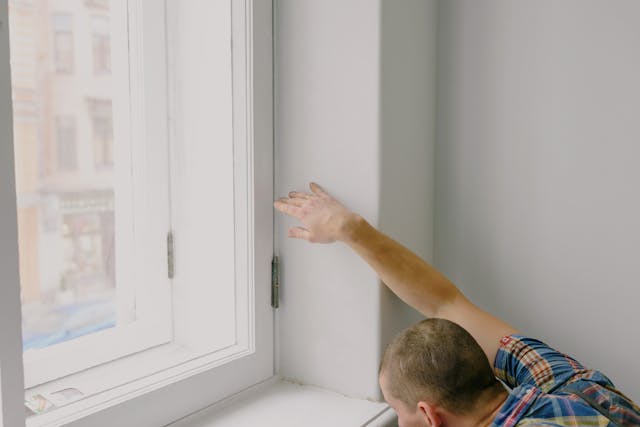
Regular maintenance is essential to ensure that your energy-efficient windows continue to perform optimally. Begin by cleaning the glass and frames regularly to remove dust and debris that can impede the function of seals and insulation. Pay close attention to the window sills and tracks, as these areas can collect dirt, potentially leading to moisture buildup and mould growth. It’s equally important to inspect weatherstripping periodically, checking for signs of wear or damage. Replacing weatherstripping as needed will help maintain a tight seal against drafts.
Another critical aspect of window maintenance involves checking for any cracks or damage in the window frame and glass. Addressing these issues promptly can prevent further inefficiencies or costly repairs down the line. Additionally, ensure that the hinges and locks are functioning correctly by lubricating them as necessary to prevent rust and ensure smooth operation. Maintaining proper drainage around your windows is also vital; ensure that gutters and downspouts direct water away from the foundation to prevent leaks and wood rot. By incorporating these maintenance practices, homeowners can significantly extend the lifespan and energy efficiency of their windows, ultimately leading to greater comfort and savings.
investing in high-quality window installations is a crucial step toward enhancing the energy efficiency, comfort, and overall value of your home. By understanding the various options available and their associated benefits, homeowners can make informed decisions that not only reduce energy costs but also contribute to a more sustainable living environment. Regular maintenance plays a vital role in preserving the performance of these installations, ensuring they continue to protect against the elements while providing aesthetic appeal. Ultimately, embracing top-tier windows represents a smart investment that yields long-term advantages for both present and future homeowners.