The digital world is always changing, and digital images play a big role in our everyday lives. We see them everywhere, from social media to professional designs. But there’s more to these images than you might think.
Knowing how digital images work is important for staying up-to-date and making an impact. Are you ready to deepen your understanding?
Join us as we explore the ins and outs of digital images. This guide will provide expert tips and insights to help you master this exciting topic. Get ready to be amazed!
Understanding Digital Images
Digital images are made up of pixels, which are tiny square units of colour that combine to form a complete picture. The more pixels an image contains, the higher its resolution, resulting in sharper details. Common formats include JPEG, PNG, and TIFF, each serving different purposes depending on the need for quality, compression, or transparency.
Resolution is a critical factor when it comes to the quality of digital images. High-resolution images are ideal for printing, whereas lower resolutions may suffice for web use. For instance, a typical web image might be around 72 DPI (dots per inch), while printed photos usually require 300 DPI or higher.
Choosing the Right Equipment
With the increasing popularity of digital photography, there are now a plethora of cameras, lenses, and accessories available in the market. However, not all equipment is created equal. So, it is crucial to carefully consider your options before investing in a camera or lens.
Factors such as resolution, sensor size, and autofocus capabilities are all important to take into account when choosing the right equipment. Additionally, understanding your shooting style and the type of images you want to capture is essential in making the best choice. By selecting the right equipment, you can elevate your photography skills and capture breathtaking images.
Mastering Composition Techniques
Understanding the arrangement of elements within an image such as the following:
- balance
- leading lines
- and the rule of thirds
All these can enhance the overall aesthetic of a digital image. These techniques can guide the viewer’s eye and create a sense of harmony, making the image more engaging and memorable. Mastering composition techniques is crucial in creating visually striking digital images that leave a lasting impression.
Techniques like the Rule of Thirds, leading lines, and framing can help you create more engaging images. For example, the Rule of Thirds suggests that you divide the frame into thirds horizontally and vertically, placing important subjects along those lines or at their intersections for a more balanced composition.
The Magic of Editing Software
Editing is where you can truly enhance your digital images. Software options like Adobe Lightroom, Photoshop, and even mobile apps like Snapseed allow you to adjust the following:
- brightness
- contrast
- and colour saturation
- and even remove unwanted objects
Familiarizing yourself with these tools can elevate your photography significantly. When editing digital images, be mindful of preserving the original file quality.
Always keep a copy of the unedited photo, as aggressive editing can lead to pixelation and a loss of detail. Make sure to edit in formats that maintain quality, such as RAW files, if your camera allows it.
Proper File Management
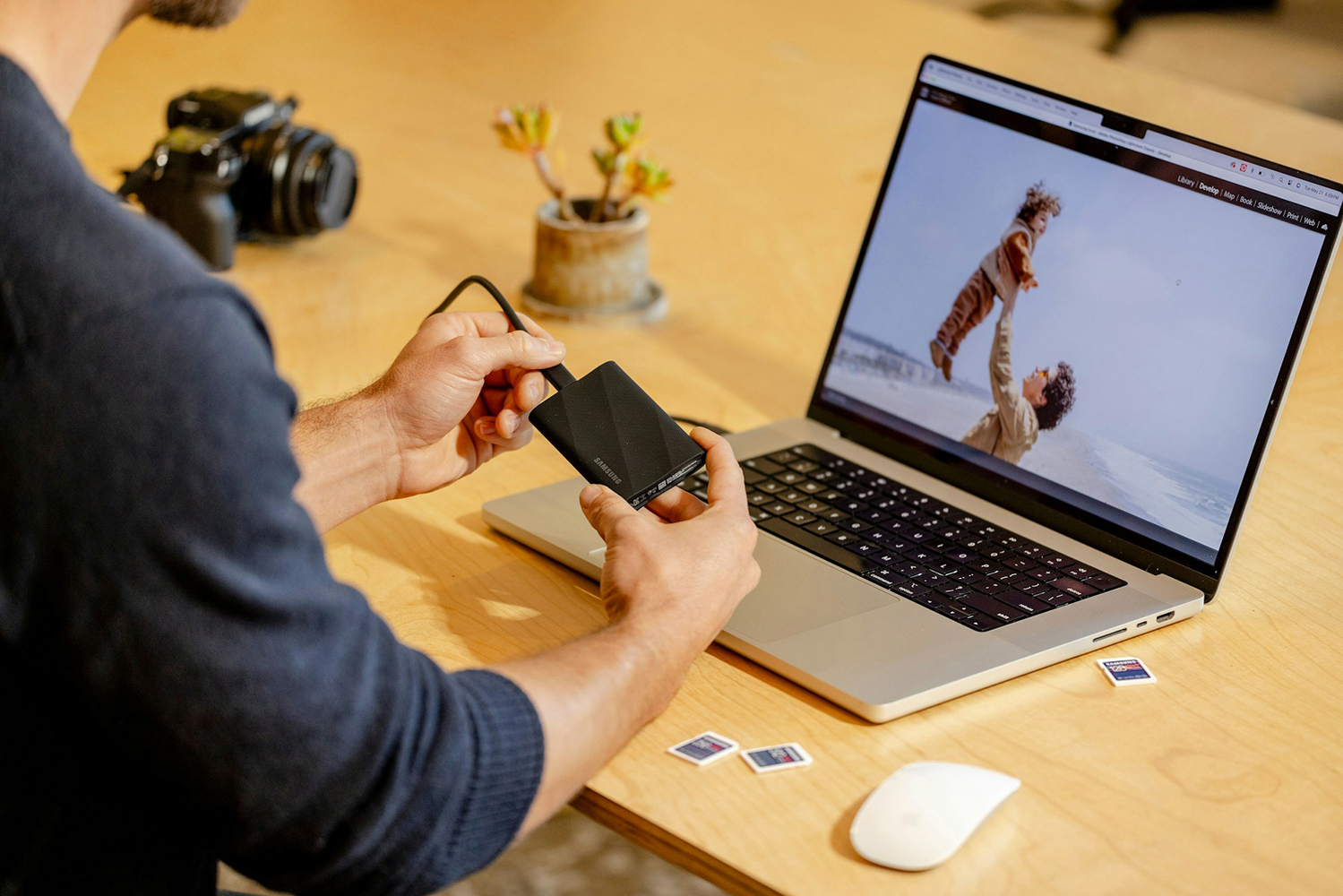
Without proper file management, it can be incredibly challenging to find and access specific images when needed. Keeping digital image files organized and labeled correctly ensures that they can be easily located and utilized. This is particularly important when dealing with large collections of images.
By implementing a proper file management system, not only will you save time and frustration, but you will also ensure that your digital images are protected and accessible for future use. Implementing a backup strategy, whether through cloud services or physical external hard drives, protects your images from loss.
Sharing Your Work
In today’s digital age, the act of sharing has never been easier, with the internet providing a platform to showcase your work to the world. However, it is important to understand the importance of giving proper credit and obtaining permission before sharing images that are not your own. This not only shows respect for the original creator but also avoids any legal or ethical issues.
Additionally, when sharing your own work, it is crucial to ensure that the image is of high quality and the format is compatible for easy viewing on different devices. Ultimately, understanding the proper etiquette of sharing digital images is crucial in this digital age. However, it’s wise to consider copyright issues before sharing, as unauthorized use of images can lead to legal complications.
Understanding Digital Image Formats
The most common formats are JPEG, PNG, and GIF, each with their own unique properties and uses. JPEG is great for photographs as it compresses the image without significant reduction in quality.
PNG is ideal for images with transparent backgrounds, making it perfect for logos and graphics. GIF is perfect for short animations and low-quality images. Knowing which format to use can save time, storage space, and ensure your digital images are of the best quality for any purpose.
The Rise of Digital Photo Frames
With the advancement of technology, digital photo frames have become an excellent medium for displaying your best shots. These high-quality frames allow you to showcase a rotating collection of images in high quality. When searching for the best digital photo frame in Australia, consider features like screen resolution, storage capacity, and ease of uploading images.
The Future of Digital Imagery
The future of digital images looks promising with technological advancements like AI-driven editing software and improvements in camera technology. As virtual reality and augmented reality become more mainstream, the ways we capture, edit, and experience digital images will continue to evolve.
Get Informed About Digital Images
Understanding the basics of digital images is crucial in today’s technology-driven world. With the knowledge of resolution, file formats, and compression, you can create and share high-quality images effortlessly.
So, whether you’re a designer, photographer, or simply a casual user, make sure to stay informed about digital displays. Start creating and sharing stunning visuals now!
Looking for more tips and advice? You’re in the right place! Make sure to bookmark our page and come back to check out more interesting articles.