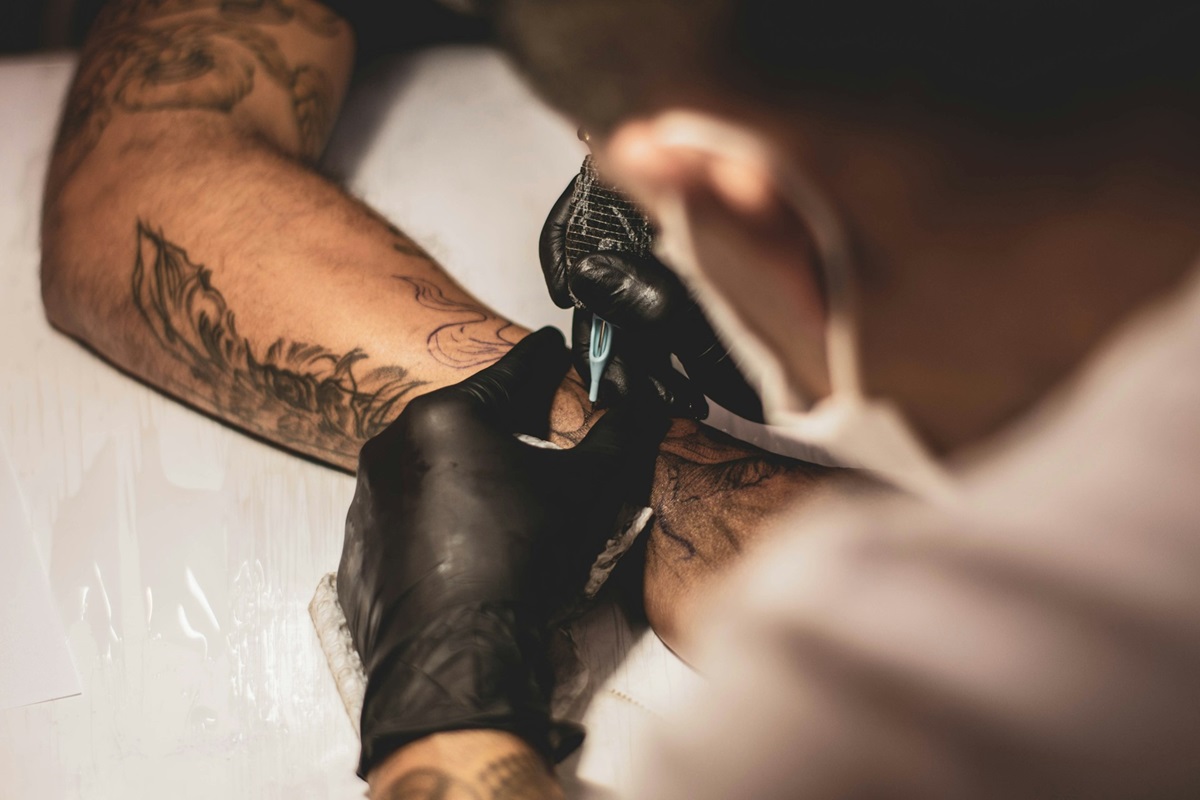
Getting a tattoo can be an exciting and personal decision, often representing a significant period or sentiment in one’s life. However, for various reasons, some people find themselves wanting to remove their tattoos later on. Whether it’s due to a change in personal taste, career requirements, or other personal reasons, tattoo removal has become a common procedure.
Preparing for a tattoo removal session can be daunting, but with the right steps, you can ensure a smoother and more comfortable experience. Here are some essential tips to help you prepare for your tattoo removal session.
 1. Research and Choose a Qualified Specialist
Your first step should be to research and choose a qualified tattoo removal specialist. Look for professionals who are certified and experienced in laser tattoo removal. For instance, if you are looking for tattoo removal in Sydney, check reviews, ask for recommendations, and consult with potential specialists to ensure they have the necessary expertise to safely and effectively remove your tattoo. A reputable clinic will have advanced laser technology and a track record of successful removals.
2. Understand the Process
Before your session, it’s crucial to understand how the tattoo removal process works. Laser tattoo removal involves using a high-intensity laser to break down the ink particles in your tattoo. Your body’s immune system then gradually removes these particles over time. Multiple sessions are usually required, depending on the size, color, and age of the tattoo. Understanding the process can help set realistic expectations and reduce anxiety.
3. Schedule a Consultation
Most clinics offer a consultation before the actual removal session. During this consultation, the specialist will assess your tattoo and discuss factors such as the number of sessions needed, costs, and aftercare. This is also an opportunity for you to ask any questions and address any concerns you might have. A consultation ensures that you are well-informed and prepared for the procedure.
 4. Follow Pre-Session Instructions
Your specialist will likely provide specific instructions to follow before your session. These might include:
- Avoid Sun Exposure: Keep the tattooed area out of direct sunlight for at least two weeks before your session. Sunburned or tanned skin can increase the risk of complications.
- Stay Hydrated: Drink plenty of water in the days leading up to your session. Hydrated skin responds better to the laser treatment.
- Avoid Certain Medications: Some medications can increase the risk of bruising or bleeding. Inform your specialist about any medications you are taking.
- Shave the Area: If the tattooed area is hairy, you may be asked to shave it to ensure the laser can effectively target the ink.
5. Manage Pain Expectations
Laser tattoo removal can be uncomfortable, but the level of pain varies from person to person. Some describe it as feeling like a rubber band snapping against the skin. To manage pain, your specialist might apply a numbing cream before the session. Over-the-counter pain relievers like ibuprofen can also help, but consult with your specialist before taking any medication.
6. Plan for Aftercare
Proper aftercare is crucial for the best results and to prevent complications. After your session, the treated area will likely be red, swollen, and sensitive. Your specialist will provide aftercare instructions, which may include:
- Keep the Area Clean and Dry: Gently clean the area with mild soap and water, and pat it dry. Avoid soaking it in water.
- Apply Ointment: Use an antibiotic ointment to prevent infection and promote healing.
- Avoid Sun Exposure: Keep the treated area out of direct sunlight and use sunscreen to protect it.
- Avoid Picking or Scratching: Let any scabs or blisters heal naturally to avoid scarring.
7. Arrange for Transportation
Laser tattoo removal can sometimes leave you feeling sore and fatigued. If you’re concerned about driving afterward, arrange for someone to take you to and from your appointment. This ensures you can focus on your recovery without the added stress of driving.
 8. Be Patient
Tattoo removal is a gradual process, and it’s important to be patient. The number of sessions required can vary based on several factors, including the tattoo’s size, color, and your skin type. Results may not be immediately visible, as your body needs time to break down and remove the ink particles. Trust the process and follow your specialist’s recommendations for the best outcome.
9. Maintain a Healthy Lifestyle
A healthy lifestyle can aid in the tattoo removal process. Eating a balanced diet, exercising regularly, and avoiding smoking can improve your body’s ability to heal and remove the ink particles. A strong immune system can enhance the effectiveness of the laser treatment.
10. Communicate with Your Specialist
Throughout the tattoo removal process, maintain open communication with your specialist. Report any unusual symptoms or concerns immediately. Your specialist is there to guide you and ensure your safety and comfort throughout the procedure.
In conclusion, preparing for a tattoo removal session involves careful planning and following specific guidelines. By choosing a qualified specialist, understanding the process, and taking proper pre- and post-session care, you can ensure a smoother and more effective tattoo removal experience. Remember, patience and communication are key to achieving the best possible results.