Furniture serves more purposes than just function; furniture pieces are an expression of your personality and style, and there are so many options open to you. A single furniture style creates a cohesive look while mixing and matching different furniture styles can create a space that is truly captivating, unique, and personal.
Your home is your castle, and the furniture is another extension of you, or should be anyway, and that is what this little guide hopes to achieve, you finding your styles, mixing and matching, and getting inspired to your heart’s content; that is the aim. With all that said, here are some basic ideas and tips for you to get started on this creative journey.
 Focal Point
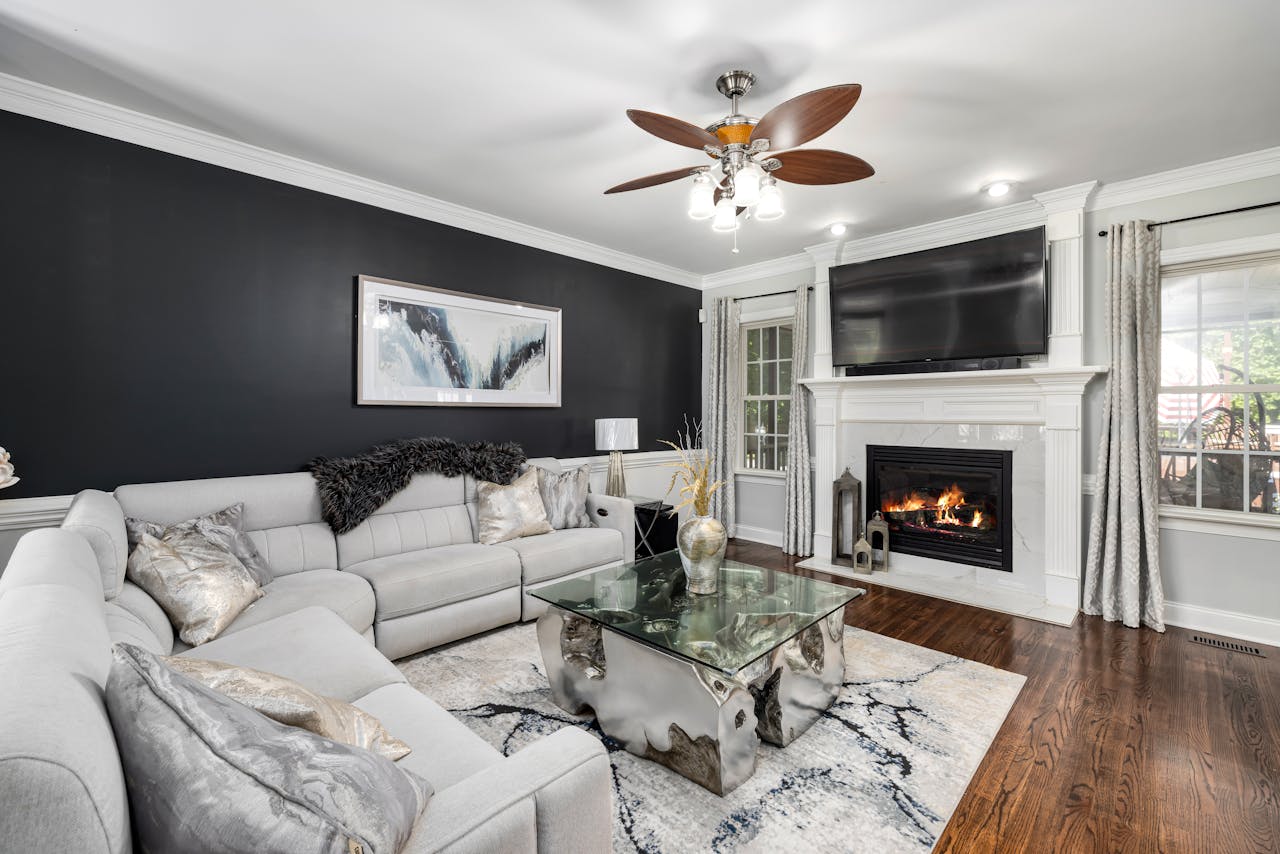
The power of a focal point should not be underestimated. You step into a room and are immediately drawn to a simply captivating focal point. Whether that be the flickering heat of a cozy fireplace, a stunning painting or another piece of art, or a particularly striking piece of modern furniture, a central feature sets the tone and feel of the whole space. You can see it as the opening note of a musical symphony, the start of a visual journey that blooms as you explore the room, as weird as that may sound at first.
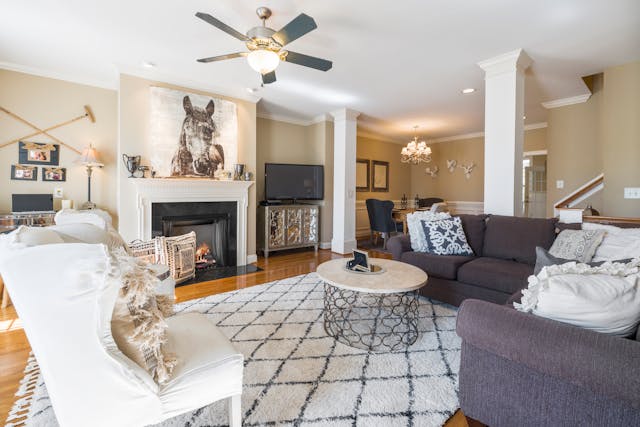
A good focal point is basically a visual anchor, giving you a launching point around which you can then build the rest of the room’s design, subtly guiding your decisions from things like the arrangement of furniture to your chosen color palette. For example, if you have a fireplace, it naturally becomes the heart of a cozy, warm seating area, with sofas, chairs, and couches turned toward its inviting, flickering glow. Most of the time, you won’t even notice that there is a focal point because it settles so naturally into the room.
Cohesion
Blending different styles of furniture sounds chaotic at first—a mishmash of different pieces—but it really shouldn’t be; instead, it is about finding the threads that connect them, overtly or subtly. These threads can be material, shape, color, or even historical influences or the like. They are the bridges between distinct and different styles, letting them harmoniously co-exist, creating a well-orchestrated, thoughtful, and stylish composition in your home.
For example, the collaborators in a design narrative could be modern metal-legged chairs paired with a vintage wooden coffee table, and at first glance, these two styles seem like total polar opposites, but actually, they are linked through their shared wood tone, the common element between them and elevating both. In the same vein, when you are choosing furniture at a store, look for complementary shapes, matching angles, or curves, a visual connection that almost makes it feel like you are looking for puzzle pieces to make a whole.
 Keep a Color Palette
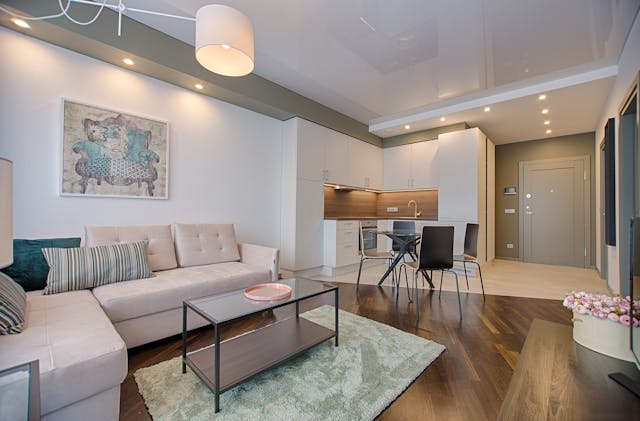
An important way of keeping your different blended styles feeling cohesive and intentional is to stick to a general color palette throughout the space’s design. So even if your whole room is made up of completely different styles, eras, and pieces of furniture, a consistent color palette will give it unity and completeness.
Try experimenting with all-black and white furniture, threaded through with pops of greenery or combined with other small decorative elements in the color of your choice, or perhaps you are into more of an earthy scheme, in which case you want to stick with light greens, beiges, and other earth tones to keep the look consistent. Color is the simplest and best way to unify stuff that is otherwise very mismatched and might almost seem chaotic, so give it a shot.
Mixing Patterns
Patterns are like brushstrokes, bringing texture, depth, and personality to your space, and when you delve into the art of pattern mixing, you open the entrance to a whole world of creative freedom and possibilities. But as with any other masterpiece, the key here is balance, a harmonious cohesion between patterns. Take a floral rug for example, with striped pillows on a solid-colored couch or sofa, with the rug setting the tone for the color scheme, the pillows introducing complementary patterns, and the solid-colored couch or sofa maintaining visual harmony.
Solid colors or neutrals are the anchors here, the grounding elements that prevent all the patterns and colors from overwhelming the room. You have to remember here that pattern mixing is an art, not an exact science; there is no real formula or rule that you have to follow. Experiment, try out different combinations, see what works for you and what doesn’t, what resonates with your style, and create the vibe and ambiance you feel comfortable in.
 Research
Before doing anything really, whether that be mountain biking, shopping, or in this case, interior design, it is best to get acquainted with it first before trying it out on your own, and this is no less true here. Research comes in different forms, of course, like what you are doing right now, reading, learning the principles, informing yourself with basic knowledge, and so on. But you can also research through experimentation, like previously mentioned several times, especially in something like interior design and looking for the right ambiance for your room.
Finding that perfect balance is all about trying out different things, trial, and error, because you also should remember that no piece you have placed anywhere is permanent. One day the sofas can be in this color and oriented this way, and the next day they can be in that color and face that way instead. Everything can be moved out, refurbished, repainted, shifted into another room, or just turned around. That is what design is all about; trying everything until you find the one style that resonates with you and just fits like a glove.
Finding the right look for your home is all about mixing and matching different styles, experimenting with different pieces, colors, and patterns until you have hit just the right balance between everything, and found the vibe that is perfect for your home and you.