
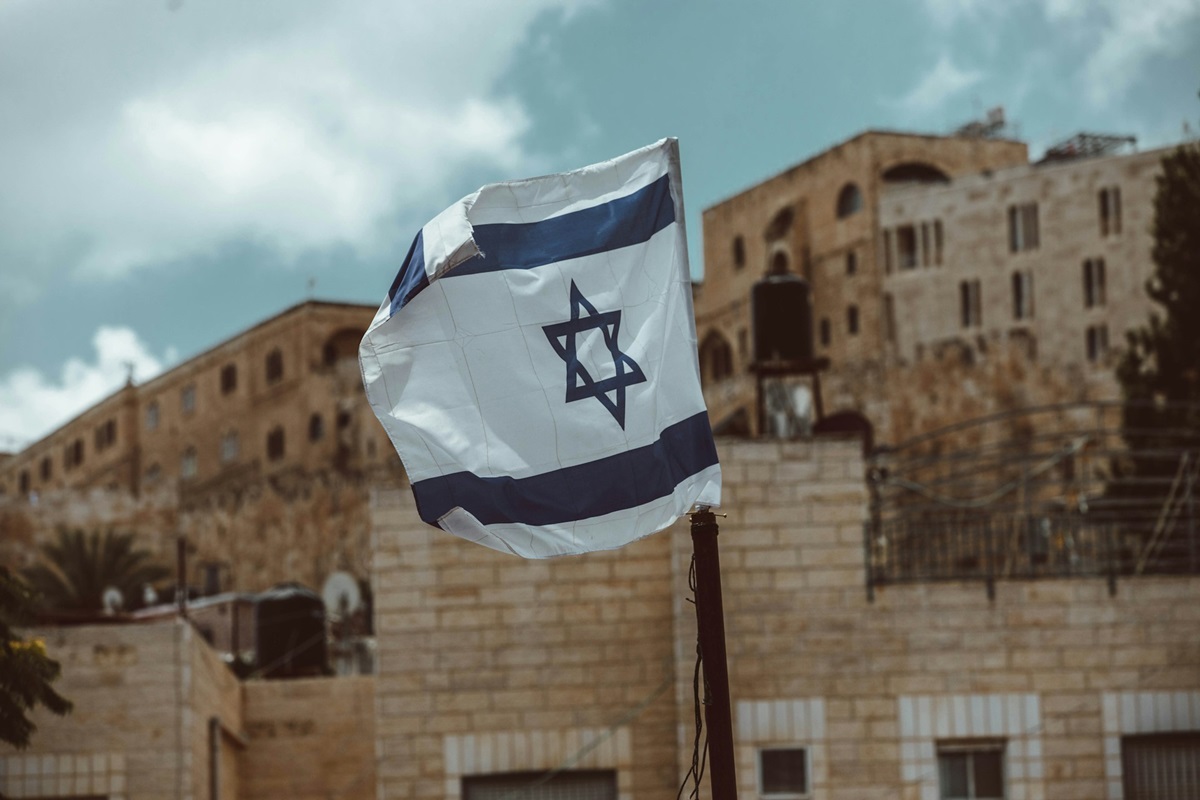
Experiencing the Holy Land is a profound journey for Christian travelers. Walking in the footsteps of Jesus Christ, exploring ancient biblical sites, and immersing oneself in the rich spiritual and cultural history of the region can be a deeply moving and transformative experience. Here are some tips to help you make the most of your pilgrimage to the Holy Land.
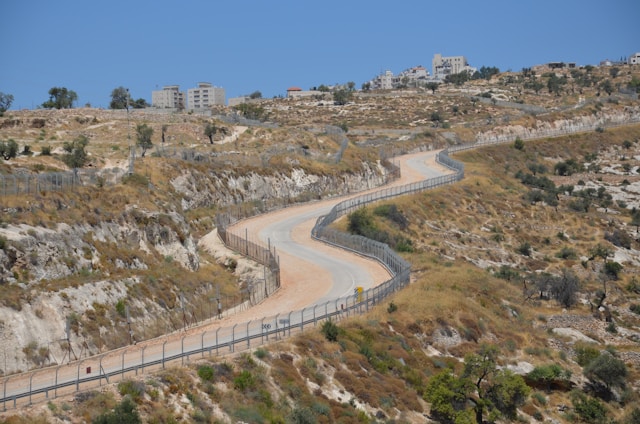 1. Plan Your Itinerary Thoughtfully
The Holy Land, encompassing Israel and parts of Palestine, is filled with significant religious sites. To ensure you make the most of your trip, plan your itinerary thoughtfully. Some must-visit locations include:
- Jerusalem: The heart of the Holy Land, Jerusalem is home to key sites such as the Church of the Holy Sepulchre, the Western Wall, and the Mount of Olives.
- Bethlehem: Visit the Church of the Nativity, believed to be the birthplace of Jesus.
- Nazareth: Explore the Basilica of the Annunciation, where the angel Gabriel is said to have appeared to Mary.
- Sea of Galilee: Walk along the shoreline where Jesus performed many of his miracles, and visit sites like Capernaum and the Mount of Beatitudes.
- Jordan River: Experience the site of Jesus’ baptism.
2. Travel During the Right Season
The best time to visit the Holy Land is during the spring (March to May) or autumn (September to November) when the weather is mild and pleasant. Summers can be extremely hot, especially in desert areas, while winters can be cold and rainy. Planning your trip during the right season will ensure a more comfortable and enjoyable experience.
3. Join a Guided Tour
While it’s entirely possible to explore the Holy Land on your own, joining a guided tour can enhance your experience. Christian tours in Israel can provide knowledgeable guides who offer valuable insights into the historical and religious significance of each site, share stories and traditions, and help you navigate the region more efficiently. Additionally, group tours can offer a sense of community and fellowship with fellow Christian travelers.
4. Respect Local Customs and Traditions
The Holy Land is a region with diverse cultures and religious communities. It’s important to respect local customs and traditions. Dress modestly, especially when visiting religious sites. Women should cover their shoulders and knees, and men should avoid wearing shorts. Be mindful of local etiquette, such as removing your shoes when entering certain holy places and refraining from loud conversations or disruptive behavior.
5. Take Time for Reflection and Prayer
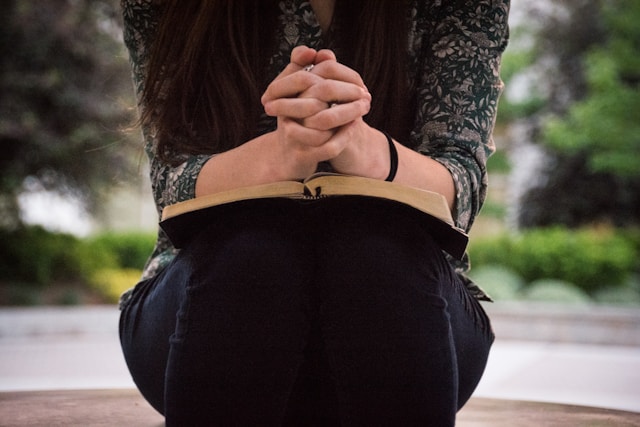 A pilgrimage to the Holy Land is not just a sightseeing tour; it’s an opportunity for deep spiritual reflection and prayer. Take your time at each site to soak in the atmosphere, meditate, and connect with your faith. Many churches and holy sites offer quiet spaces for prayer and contemplation. Bringing a journal to document your thoughts and experiences can also be a meaningful way to reflect on your journey.
6. Be Prepared for Security Checks
Given the geopolitical situation in the region, security checks are common at many sites and border crossings. Be patient and cooperative with security personnel, and always carry your identification and travel documents with you. It’s also advisable to stay informed about the local security situation and follow any travel advisories issued by your government.
7. Stay Hydrated and Take Care of Your Health
The Holy Land can be physically demanding, with long walks and hot weather. Make sure to stay hydrated by drinking plenty of water throughout the day. Wear comfortable shoes and clothing, and protect yourself from the sun with a hat and sunscreen. If you have any health concerns, consult your doctor before traveling and carry any necessary medications with you.
8. Engage with Local Communities
One of the most enriching aspects of traveling to the Holy Land is the opportunity to engage with local communities. Take the time to interact with local residents, learn about their lives and traditions, and support local businesses. Attending a local church service or participating in community events can provide a deeper understanding of the region’s contemporary Christian life.
9. Capture the Moments, but Be Present
While it’s natural to want to capture the beauty and significance of the Holy Land through photos and videos, remember to be present in the moment. Some sites may have restrictions on photography, so always check and respect the rules. Balance your desire to document your journey with the need to fully experience and absorb the spiritual atmosphere.
10. Reflect on Your Journey
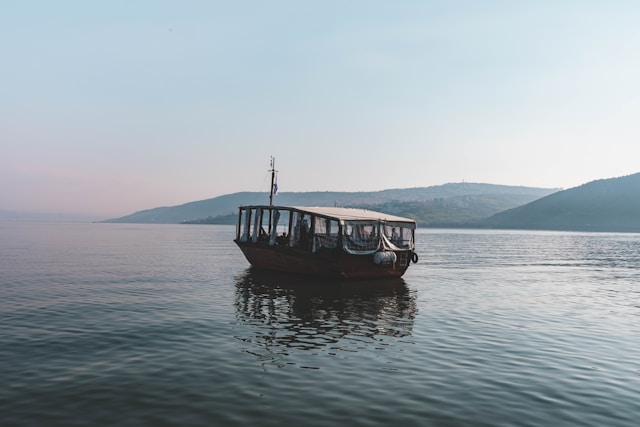 After returning home, take the time to reflect on your pilgrimage to the Holy Land. Revisit your journal, share your experiences with friends and family, and consider how your journey has impacted your faith and perspective. The memories and insights gained from your trip can continue to inspire and enrich your spiritual life long after you return.
In conclusion, a pilgrimage to the Holy Land is a unique and deeply meaningful experience for Christian travelers. By planning thoughtfully, respecting local customs, and taking time for reflection, you can make the most of your journey and create lasting memories. May your pilgrimage be filled with spiritual growth, inspiration, and a deeper connection to your faith.